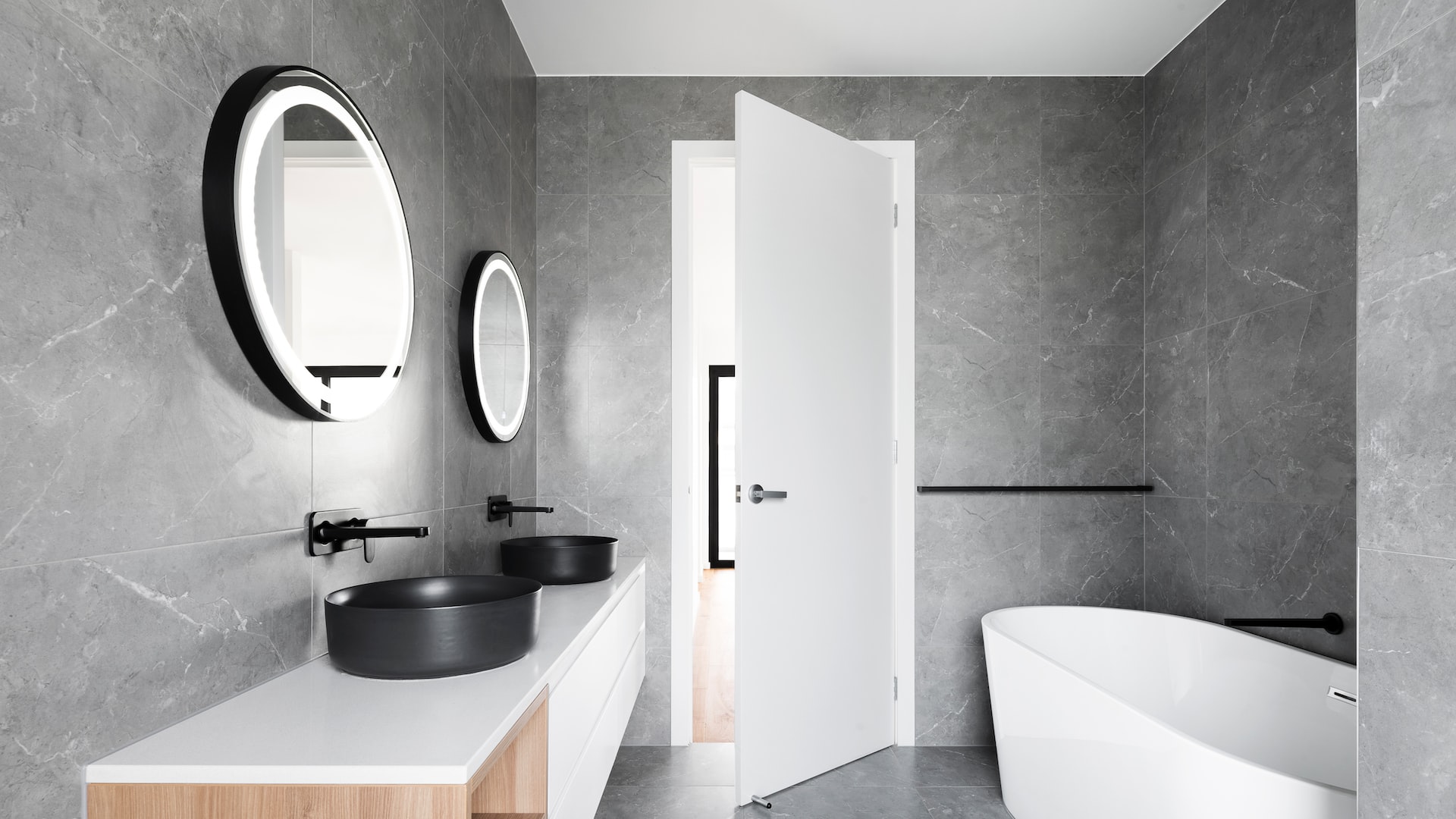
A bathroom has a surprisingly big influence on the day. It is where the household queues before school, where a hurried shower becomes a moment of calm, and where yesterday’s renovation shortcuts tend to reveal themselves. A dripping shower, awkward vanity or permanently damp corner can make a small room feel like a daily obstacle course.
Yet a successful renovation is not simply about replacing old fittings with attractive new ones. The real opportunity is to make the room work better for the people using it, whether that means giving children somewhere sensible to hang towels, creating a comfortable ensuite or improving a bathroom that visitors and clients occasionally use.
For homeowners exploring their options, East Auckland Bathroom Renos is a local company to consider. Before choosing finishes or requesting a price, it helps to understand what separates a surface refresh from a well-planned renovation—and how experienced bathroom renovators in East Auckland can turn ideas into a practical, beautiful space.
Planning With bathroom renovators in East Auckland
The best starting point is not a tile showroom. It is an honest look at how the existing bathroom behaves on an ordinary weekday.
Does the door collide with a drawer? Is there nowhere to put clean clothes? Does the mirror mist up while moisture lingers around the ceiling? These details provide a more useful brief than a collection of beautiful photographs alone.
East Auckland households vary widely, from couples updating a compact unit to families juggling busy mornings and homeowners adapting rooms for changing mobility. A renovation should respond to those differences rather than reproduce the same fashionable layout everywhere.
Write a brief around daily habits
Before discussing a bathroom remodel, make three short lists:
- What must change, such as a leaking shower, inadequate ventilation or damaged flooring.
- What would improve everyday life, such as additional storage, better lighting or an easier-to-clean vanity.
- What would be lovely if the budget allows, such as underfloor heating or a more generous shower enclosure.
This simple exercise gives conversations with bathroom renovation specialists a practical foundation. It also makes it easier to protect the essentials when a tempting upgrade appears halfway through planning.
Consider who will use the space over the next several years, not just who uses it today. A bathroom designed solely around current routines may feel restrictive sooner than expected.
Choosing the Right Scale of Renovation
“Bathroom makeover” and “full bathroom renovation” can describe very different projects. Understanding the distinction helps homeowners compare proposals fairly and avoid expecting major improvements from a limited scope.
A lighter bathroom makeover
A cosmetic update may involve repainting suitable surfaces, replacing accessories, improving lighting or installing a new vanity where existing conditions allow.
This approach can make sense when the layout works and the underlying bathroom remains sound. However, fresh finishes cannot resolve failed waterproofing, persistent leaks or concealed deterioration.
Before keeping an existing shower or floor, ask whether its condition supports the investment being made around it.
A targeted bathroom remodel
A more substantial remodel might replace the shower, update storage and improve ventilation while retaining much of the existing arrangement.
Keeping plumbing fixtures in similar positions can sometimes limit disruption and cost, although access, pipe condition and the chosen products still affect the work required. It is worth asking for the practical implications rather than assuming that “same location” means “simple installation.”
A full bathroom renovation
Complete bathroom renovations generally involve a more extensive strip-out and coordinated rebuilding of the room. Depending on the agreed scope, that may include repairs to underlying surfaces, plumbing and electrical changes, waterproofing, tiling, fixtures and finishing work.
This level of work creates opportunities to correct long-standing problems. It also requires careful sequencing, clear documentation and realistic allowances for conditions that cannot be confirmed until demolition begins.
Making a Shower Renovation Count
The shower earns its place as one of the hardest-working features in the home. It also deserves more attention than its glass profile or tapware colour.
A well-considered shower renovation balances comfort, cleaning, water containment and the construction requirements of the chosen system.
Think beyond the shower screen
Useful questions include:
- Is there enough room to turn comfortably without brushing against fittings?
- Can the controls be reached without stepping directly beneath cold water?
- Where will shampoo and soap sit?
- Will the door or opening conflict with nearby fixtures?
- How will the shower be cleaned and maintained?
An open shower can look spacious, but water may travel farther than expected. A generous enclosure may offer better splash control, while a compact room might need a different arrangement altogether.
Neither option is automatically superior. The right answer depends on room dimensions, user needs and a properly detailed installation.
Give waterproofing proper attention
Tiles and grout should not be treated as the sole defence against water. The underlying waterproofing system, junctions, penetrations and drainage details are critical.
Ask how the proposed system will be installed, what preparation is required and what records will be supplied. Product compatibility matters too; attractive components do not necessarily form a suitable system simply because they fit together visually.
Where consent or other approvals may be relevant, confirm requirements with the appropriate professionals and Auckland Council before work begins.
Designing an Ensuite That Feels Generous
An ensuite renovation often demands more discipline than a larger bathroom project. Space is limited, yet expectations remain high: a comfortable shower, useful storage, flattering lighting and a sense of privacy.
The temptation is to squeeze in every desirable feature. Usually, the better approach is to choose fewer elements and give them enough breathing room.
Put circulation before extra fittings
Check the space needed to open drawers, stand at the basin and move between fixtures. A large vanity is not an improvement if it makes the toilet awkward to use or narrows access to the shower.
Wall-hung cabinetry can create a lighter visual effect and make floor cleaning easier, but suitability depends on the wall structure and installation details. Recessed storage may also help, provided it can be incorporated without compromising important building elements.
Connect the ensuite with the bedroom
An ensuite does not need to match the adjoining bedroom exactly. A shared colour family, similar warmth in materials or restrained use of metal finishes can create continuity.
Also consider noise and light. Ventilation, door placement and lighting controls affect anyone still sleeping while another person gets ready. These small planning decisions can matter more than an elaborate feature wall.
Looking Beneath the Finished Surface
A bathroom installation brings several trades and technical tasks into a relatively small room. That makes coordination especially important.
Homeowners often focus on the visible products because they are easy to compare. Yet the quality of preparation and the sequence of work have a lasting effect on how those products perform.
Understand who is responsible for what
When speaking with bathroom builders or renovation companies, clarify who coordinates plumbing, electrical work, waterproofing, tiling and finishing.
Ask who your main contact will be and how decisions or unexpected findings will be communicated. A clear process helps prevent a situation in which each person assumes someone else is managing an important detail.
For work that requires licensed or registered practitioners, confirm that appropriately qualified people will be involved.
Ask for a useful written scope
A detailed proposal should help you understand both the work included and the assumptions behind the price.
Look for clarity around:
- Demolition and waste removal.
- Protection of nearby rooms and access routes.
- Preparation and repair allowances.
- Fixtures, finishes and product supply.
- Plumbing and electrical work.
- Waterproofing and relevant documentation.
- Exclusions and the process for approving variations.
The aim is not to eliminate every uncertainty before opening a wall. It is to establish how uncertainty will be handled.
Balancing Budget With Everyday Value
The most satisfying bathroom renovations are not always the most expensive. They are the ones where spending follows priorities.
A reliable shower, effective extraction and well-planned storage usually deliver more daily value than a decorative feature chosen at the expense of essential work.
Compare equivalent proposals
Two prices may look very different because they cover different things. One might allow for specified fixtures and extensive preparation, while another leaves those items for later.
Rather than comparing totals alone, compare scope, allowances, product specifications and exclusions. Ask for explanations where descriptions are broad.
Keep a contingency for concealed issues. Older or previously altered bathrooms may reveal damage or unsuitable work once surfaces are removed, and the cost implications cannot always be established in advance.
Make maintenance part of the design
Consider what the room will demand after the builders leave.
Highly textured surfaces may require more cleaning. Dark finishes can show mineral deposits. Intricate corners create places for grime to gather.
Choose materials because they suit your household’s habits, not because a photograph makes them look effortless. A bathroom that stays manageable is more likely to remain enjoyable.
Starting a Local Renovation Conversation
For residents considering East Auckland Bathroom Renos, the company’s website is a starting point for making contact and discussing a proposed project. Use that conversation to confirm the services currently offered, the area covered, availability and how quoting is handled.
Bring room measurements, photographs and a short description of the problems you want solved. If you have inspiration images, explain what appeals to you: the storage, the warmth, the shower size or simply the uncluttered feel.
For a home-based business, also mention whether visitors use the bathroom and whether work needs to be staged around appointments. Household access, parking and material deliveries are worth discussing early, particularly where driveways or entrances are shared.
The goal is a clear conversation about your property, rather than assumptions based on a generic renovation package.
Frequently Asked Questions
How long will a bathroom renovation take?
Timing depends on the scope, product availability, trade scheduling, drying and curing requirements, and any unexpected repairs. Request a project-specific programme and ask which stages could affect the completion date.
Can we stay at home during the work?
Often this is possible, but it depends on access, disruption and whether another usable bathroom is available. Agree on arrangements before demolition, especially if the property has only one toilet or shower.
Is moving plumbing worth it?
It can be worthwhile when it solves a significant layout problem. However, relocation may add complexity and expense. Ask for the benefits and cost implications of both retaining and changing the existing positions.
Should every fixture be bought before work starts?
Selections should be settled early enough for dimensions, compatibility and availability to be checked. Coordinate purchasing with the renovation team so that products suit the design and arrive when needed.
What should we ask at the first meeting?
Start with scope, responsibilities, qualifications, approvals, communication and pricing. Then discuss the practical details of living through the work, including dust control, access and daily clean-up.
Build a Better Start to Every Day
A good bathroom should make everyday life feel easier without demanding attention. It should offer somewhere sensible for the essentials, a comfortable place to shower and finishes that suit the way you actually live.
Before committing to a renovation in East Auckland, define your priorities, understand the proposed scope and ask questions about the work beneath the surface. A conversation with East Auckland Bathroom Renos can then begin with a useful brief rather than a vague wish list.
The most worthwhile transformation is not simply a room that looks new. It is a bathroom that works better, morning after morning.